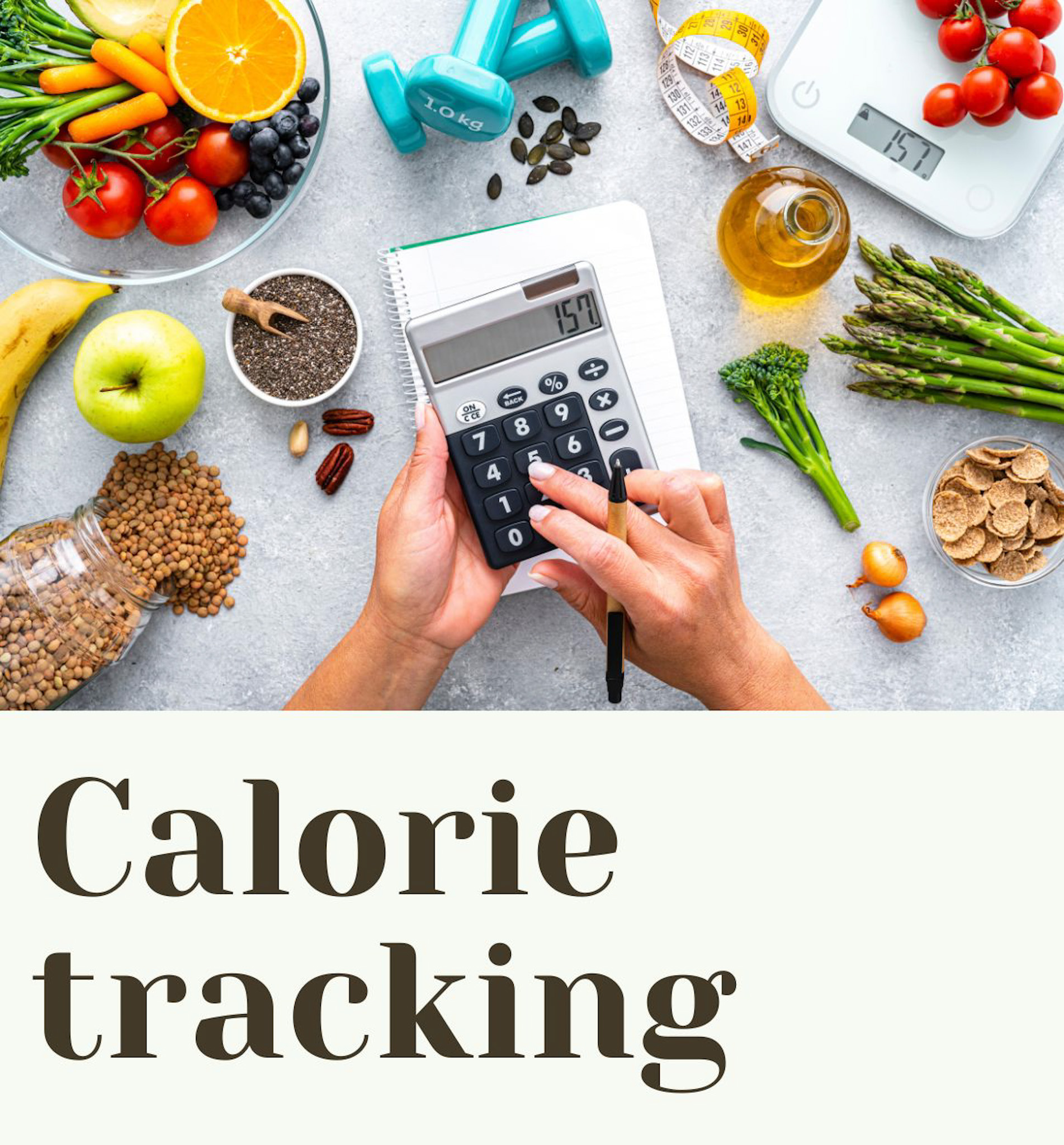
In today's fast-paced world, eating has become largely automatic. We eat on the go, snack without thinking, and often underestimate how much (or how little) we consume. This is where calorie and nutrition tracking becomes a powerful tool — not for restriction, but for awareness.
Why Calories Matter
Calories represent energy. Every function in your body — breathing, digestion, movement, recovery — requires energy. Consistently eating too much or too little can impact:
- Weight gain or loss
- Energy levels throughout the day
- Hormonal balance
- Muscle retention and growth
- Long-term metabolic health
Most people unknowingly misjudge calorie intake by hundreds of calories per day. Tracking creates clarity and removes guesswork.
Beyond Calories: The Role of Macronutrients
Calories alone don't tell the full story. Where those calories come from matters just as much.
- Protein supports muscle repair, metabolism, and satiety
- Carbohydrates fuel workouts, brain function, and daily activity
- Fats regulate hormones, support nutrient absorption, and cellular health
A diet high in calories but low in protein can lead to muscle loss. A diet extremely low in fats can affect hormonal health. Tracking macros helps maintain balance rather than extremes.
"Tracking isn't about judgment — it's about turning food into information you can act on."
Awareness Leads to Better Decisions
One of the biggest benefits of tracking is behavioral awareness:
- You begin noticing patterns (skipping protein, excess sugar, late-night snacking)
- Portion sizes become intuitive over time
- Emotional eating becomes easier to recognize
This awareness often leads to improvement — even before deliberate changes are made.
Tracking Improves Consistency, Not Perfection
Nutrition success isn't built on perfect days — it's built on consistent ones.
Tracking helps you:
- Stay accountable to your goals
- Recover quickly from off days
- Avoid "all-or-nothing" thinking
- Measure progress objectively
When progress stalls, data reveals why — and what to adjust.
Nutrition Tracking and Long-Term Health
Over time, consistent nutrition tracking has been associated with:
- Better weight management
- Improved metabolic health
- Reduced risk of nutrient deficiencies
- Greater control over blood sugar and energy levels
It also removes guilt from eating. Food becomes information, not judgment.
The Bottom Line
Tracking calories and nutrition isn't about restriction — it's about empowerment.
When you understand what you're eating, you're no longer guessing. You're making choices that align with your goals, lifestyle, and long-term health.
And when tracking is simple, intuitive, and personalized — it becomes a habit you can actually stick to.